
Client Welfare
Protect the wellbeing, safety and autonomy of every client. Serve their interests and do no harm.
International NLP Coaching Council
The definitive standard for ethical, competent and professional coaching that draws on Neuro-Linguistic Programming.
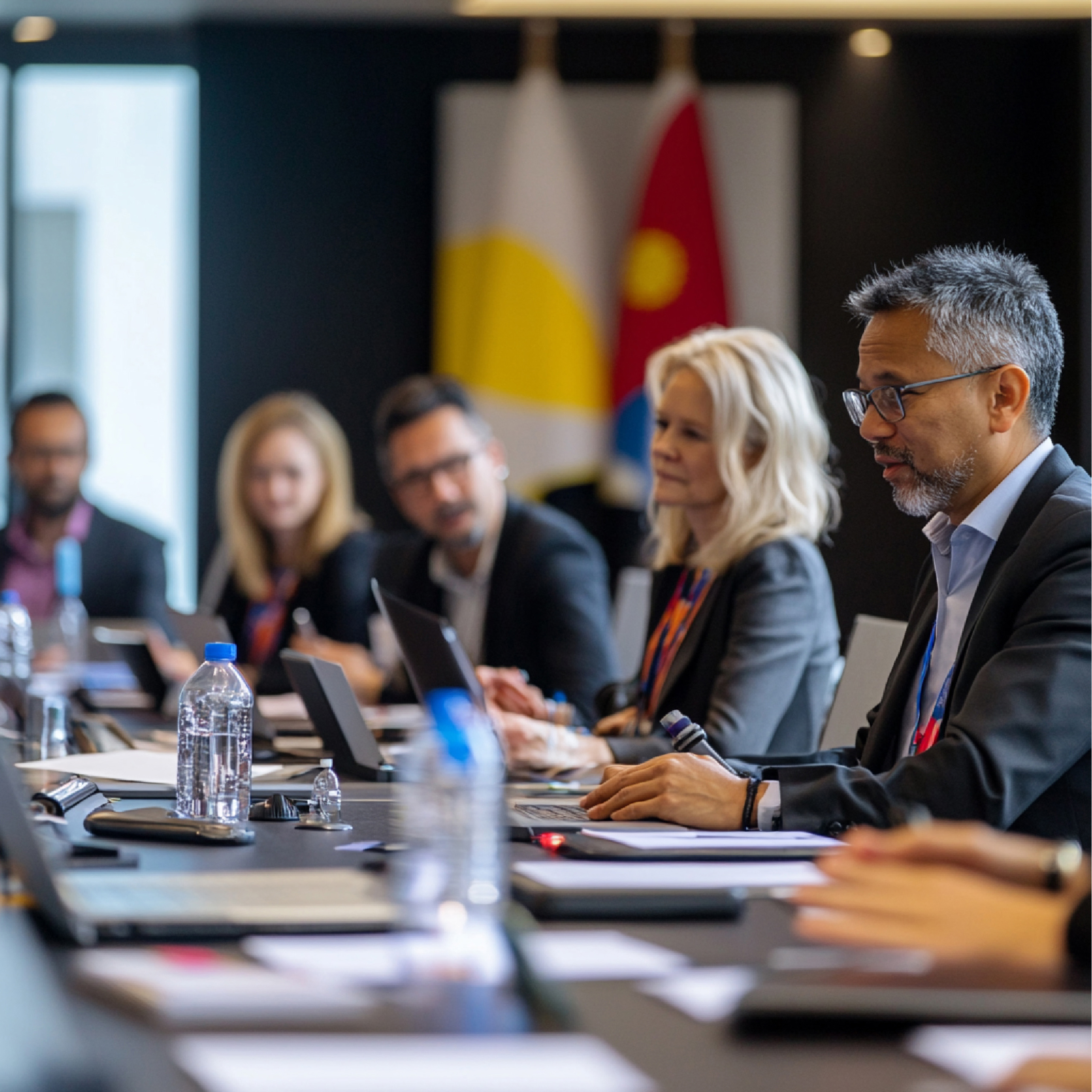
The field has grown rapidly without consistent standards. The public can struggle to distinguish responsible practice from unsupported claims, blurred professional boundaries and coaching presented as a substitute for medical or psychological treatment. INLPCC exists to establish a clear, credible standard with client welfare at its centre.
Coaching is a position of trust. The access a client grants is a privilege, not a right, and it carries obligations that do not bend to convenience, fashion or commercial pressure.
These principles are ordered deliberately. When they come into tension, the welfare of the client comes first.
Protect the wellbeing, safety and autonomy of every client. Serve their interests and do no harm.
Be honest about qualifications, services, methods, fees and limits. Never exploit the trust of the role.
Work within the limits of training and ability. Keep learning, seek supervision and refer when needed.
Describe NLP coaching truthfully. Do not present it as treatment or promise outcomes that cannot be supported.
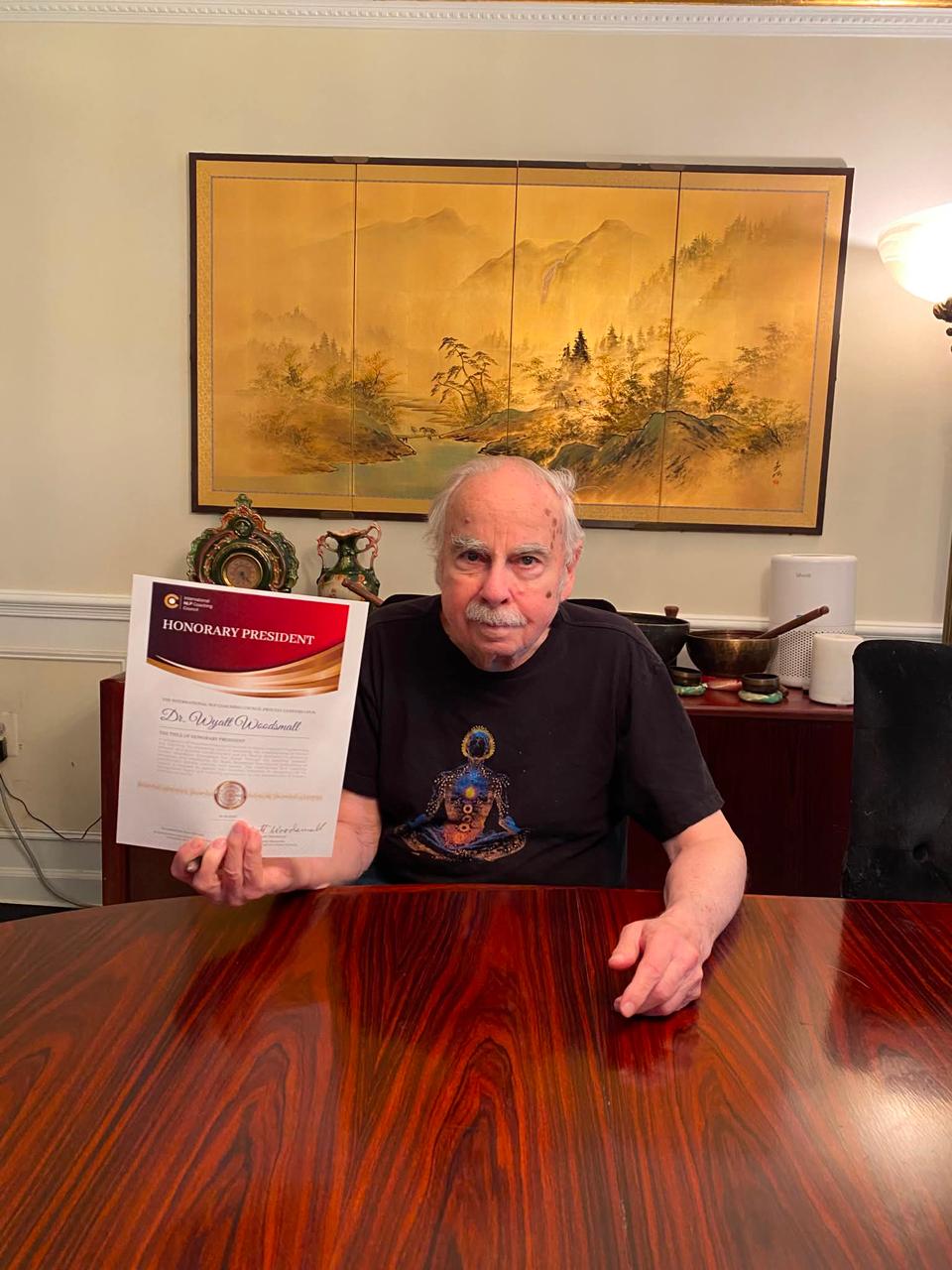
A Living Legend of Modern NLP, Master Modeler, and Teacher of Teachers
Dr. Wyatt Woodsmall is one of the most influential figures in the fields of NLP and behavioral modeling. He studied directly with Richard Bandler and John Grinder during the formative years of NLP and is recognized as the first certified NLP Master Trainer.
Together with Marilyne Woodsmall, he developed Advanced Behavioral Modeling Technology, pioneering new applications of modeling across leadership, business, sales, education, and sports.
Over the course of his distinguished career, Dr. Woodsmall has trained thousands of coaches, NLP Trainers, and human development professionals in more than 50 countries. Many of the individuals who went on to shape the international coaching and personal development landscape have studied with or been mentored by Dr. Woodsmall, including Tony Robbins, Tad James, Eben Pagan, Joe Polish, and Dean Graziosi.
His influence is also reflected in his collaboration with his student Tad James on the landmark book Time Line Therapy® and the Basis of Personality, widely regarded as one of the most influential works in the history of NLP.
For INLPCC, Dr. Woodsmall’s presence and active involvement in our team represent a living bridge between the roots of NLP and its contemporary teaching and practice. He embodies the continuation of an educational lineage through which the knowledge, modeling expertise, and values of NLP are passed from one generation of trainers to the next.
The context may change, but the duty of care does not. The Council standard is intended for NLP-informed practitioners working across the following fields.
Personal transformation, purpose, confidence and major life transitions.
Responsible development for leaders, teams and organisations.
Entrepreneurship, performance, decision-making and sustainable growth.
Wellbeing and habit change practised within a clear and appropriate scope.
Communication, connection and constructive change in relationships.
Achievement, focus and peak performance without unsupported promises.
Practitioners and trainers shaping the next generation of NLP coaching.
Career transitions, professional development and workplace decisions.
The Council's Work
The Council is building the structures through which its standard can be understood, assessed and upheld. Operational details will be published as each function opens.
A rigorous assessment route leading to formal recognition that can be withdrawn when the standard is breached.
A binding framework grounded in the Founding Charter and made practical through clear guidance.
Planned pathways for ongoing learning, reflection and evidence of current competence.
A planned structure for reflective practice, qualified supervision and professional challenge.
A planned register allowing the public to verify the current recognition status of a practitioner.
A transparent accountability framework in development, with proportionate and meaningful outcomes.

Meet the whole person, not a label or presenting problem.
Understand meanings and reasons before challenging or guiding.
Practise confidently while remaining fallible, curious and transparent.
Name the difference between practice that protects and practice that harms.
Serve the client’s genuine good, never dependence or personal gain.
Do not rush change beyond readiness or promise the instant and dramatic.
Consider how change lands across relationships, work, health and community.
Council recognition is intended to show that a practitioner has been assessed against a known ethical and professional standard. It will carry continuing obligations and may be withdrawn when that standard is broken.
Credibility grounded in a meaningful, published standard
A clear ethical foundation that clients can understand
Ongoing accountability, development and professional limits

Recognition Path
The final assessment framework is being established. The intended route has four stages, with complete requirements and terms to be published before applications open.
Submit evidence of training, relevant experience and ethical commitment.
Evidence is assessed against the Founding Charter and published recognition criteria.
Successful practitioners receive formal recognition and, when launched, a registry listing.
Recognition is maintained through development, reflective practice and continuing accountability.
Read the Council’s complete commitments, principles, directives, bright lines and practitioner affirmation.
These answers describe the intended recognition model while its final procedures are being completed.
A certificate confirms that training was completed. Council recognition is intended to confirm a practitioner's continuing commitment to a published ethical and competence standard, with accountability after recognition is granted.
Yes. Relevant practitioner training is expected to form part of the evidence considered. Council recognition does not replace training; it adds an independent ethical and professional standard.
No. The Council welcomes a plurality of methods. Practitioners are free in method and bound in conduct.
The accountability framework is intended to provide fair review and proportionate outcomes, including guidance, supervision requirements, warnings or withdrawal of recognition. The complete procedure will be published before recognition is issued.
The proposed requirements include practitioner-level training, relevant experience, understanding and affirmation of the Charter, and a commitment to continuing development and reflective practice. Final criteria will be published before applications open.
No. The Council is being established as a standards-setting and recognition body, not a social or networking association.
The intended model gives clients a clear standard to expect, a way to verify current recognition through a planned public register, and access to a published accountability process.
A fee schedule will be published with the final application framework. No payment will be requested until the criteria, process and terms are available for review.
Formal updates, standards publications and Council announcements will appear here.
No notices have been published yet.
If you believe the privilege of client trust must be matched by the discipline of a clear professional standard, start a conversation with the Council. Recognition applications are not yet open, but you can register your interest now.
Contact the Council